
Reviewed By Dr. Jeffery Kesecker, DDS
Reading Time: 3 minutes
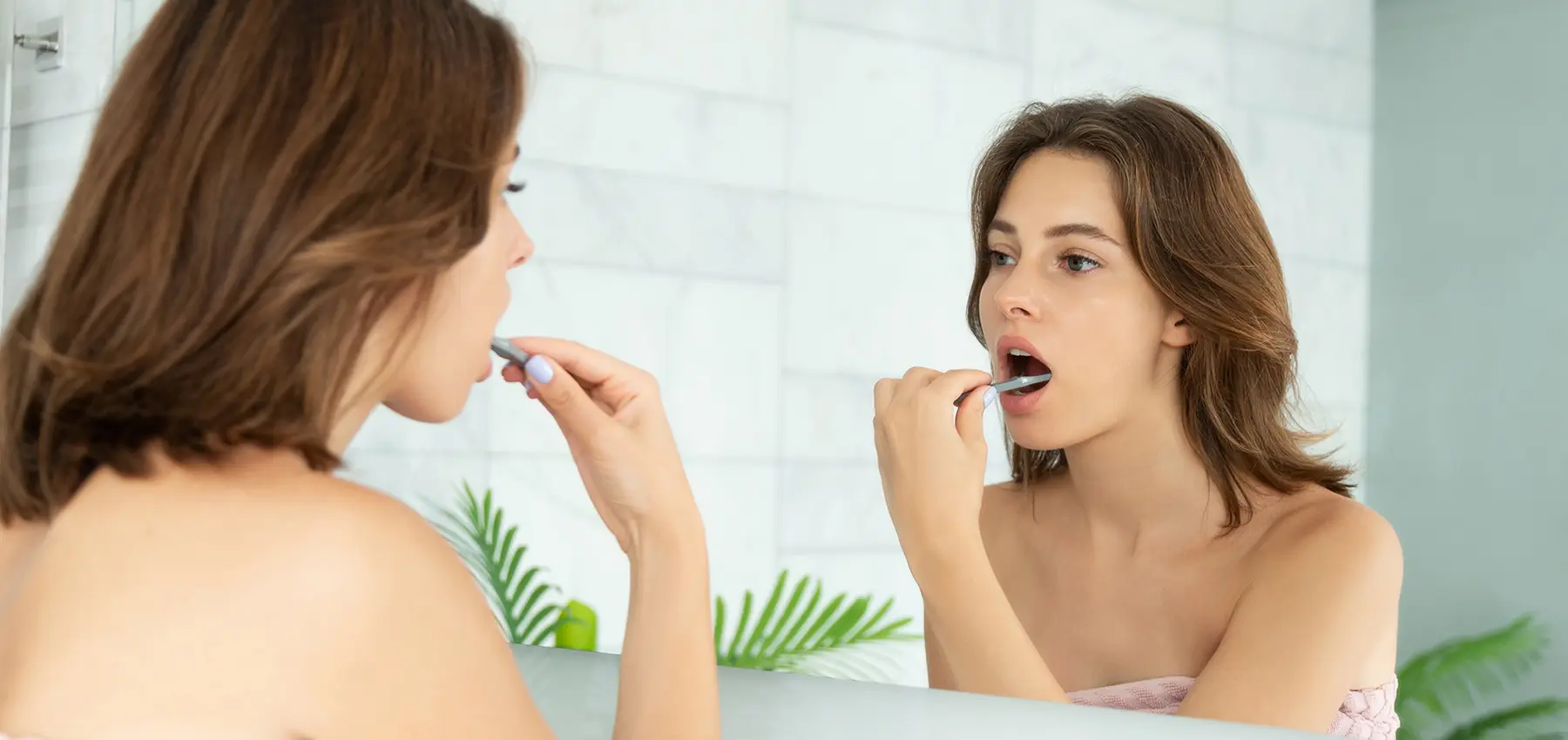
Brushing your teeth after a tooth extraction is important for preventing plaque buildup and keeping your mouth clean. However, protecting the blood clot during the first few days is equally important, so you will need to make a few temporary changes to your normal brushing routine.
Table of Contents
How Soon Can You Start Brushing Again?
In most cases, you can brush your teeth on the day of surgery, as long as you avoid the extraction site. Do not brush while gauze is in place.
After 24 hours, you can begin brushing the teeth next to the socket gently with a soft-bristled toothbrush. Avoid brushing directly over the socket until your surgeon tells you it is safe to do so.
Because the blood clot protects the underlying bone and nerves during healing, always follow your postoperative instructions. Your timeline may vary depending on the type of extraction and any additional procedures performed.
How To Brush Without Disturbing the Site
Brush slowly and pay attention to where the toothbrush is moving. These steps can help you clean the rest of your mouth without making contact with the healing area:
- Choose a soft-bristled toothbrush. A smaller brush head can give you better control near the extraction site.
- Begin on the opposite side of your mouth. Use gentle strokes and your usual fluoride toothpaste.
- Stop before reaching the socket. Avoid brushing directly over the opening or pulling on the tissue around any stitches.
- Let the toothpaste fall from your mouth. During the first 24 hours, lean forward over the sink instead of spitting forcefully.
- Rinse only according to your instructions. Vigorous swishing can restart bleeding and interfere with the clot.
Tenderness and swelling can make it difficult to open your mouth fully for the first few days. Clean the areas you can reach comfortably, but do not force your jaw open or push the toothbrush toward the surgical site.
How To Clean the Extraction Site
Gentle rinsing helps remove loose food particles without placing bristles or direct pressure inside the opening.
Our postoperative instructions for dental extractions advise patients not to rinse for at least six hours after surgery. You can then rinse gently with warm salt water or diluted mouthwash four to five times a day, including after meals. Avoid forceful swishing, and let the liquid fall from your mouth instead of spitting during the first 24 hours.
If you received an irrigation syringe, begin using it on the fifth day or as instructed. Do not use a water flosser or place floss near the surgical area during the first week unless our team gives you different directions.
When Can You Return to Normal Brushing?
You can gradually brush closer to the area as tenderness and swelling improve over the next several days. Continue brushing the unaffected teeth twice a day, but avoid pushing the bristles into the socket while the opening remains.
Your timeline may depend on the type of extraction, the location of the tooth, the number of teeth removed, and whether stitches or a bone graft were placed. The nearby teeth may also feel tender temporarily, so use light pressure until brushing becomes comfortable again.
What Should You Do If Brushing Causes Bleeding?
A small amount of blood in your saliva can occur during the first few days. If brushing causes fresh bleeding, stop brushing and do not rinse your mouth.
Place folded sterile gauze directly over the bleeding area and bite down firmly for 20 minutes. Contact the office if the bleeding remains heavy or continues after you repeat this step. You should also call if pain or swelling becomes severe or your recovery stops improving.
Support Throughout Your Recovery
Dr. Kesecker is a board-certified oral and maxillofacial surgeon who regularly performs tooth extractions and wisdom tooth removal. After surgery, our team provides clear instructions tailored to your treatment, so you know how to care for the area throughout recovery.
To book an appointment at our oral surgery office in Harrisonburg, call (540) 437-1230, or visit us at 2071 Pro Pointe Ln, Harrisonburg, VA 22801.
To book an appointment at our oral surgery office in Staunton, call (540) 213-8750 or visit us at 110 Mactanly Pl C, Staunton, VA 24401.
FAQs
Can I use toothpaste after a tooth extraction?
Yes. You can continue using your regular toothpaste when brushing the rest of your teeth. Just avoid brushing directly over the extraction site until your surgeon tells you it is safe to do so.
Can I use an electric toothbrush after an extraction?
You can use an electric toothbrush on teeth well away from the extraction site. A manual soft-bristled toothbrush may give you better control when you begin cleaning closer to the area.
What happens if I accidentally brush the extraction site?
Stop brushing the area and check for active bleeding. Apply firm pressure with sterile gauze if bleeding begins, and contact the office if it does not slow.
Can I floss after a tooth extraction?
Continue cleaning between teeth that are well away from the extraction site, but do not floss near the surgical area during the first week. Follow any different timing provided in your postoperative instructions.