
Reviewed By Dr. Jeffery Kesecker, DDS
Reading Time: 4 minutes
Dental implants offer a lasting, natural-looking solution for missing teeth. However, some patients may need additional preparation before surgery. Factors like bone loss, certain medical conditions, or lifestyle habits can affect candidacy, but most can be managed with proper treatment and planning.
Legacy Surgery offers dental implants in Staunton and Harrisonburg, VA.
Table of Contents
Why Some Patients Need Extra Preparation
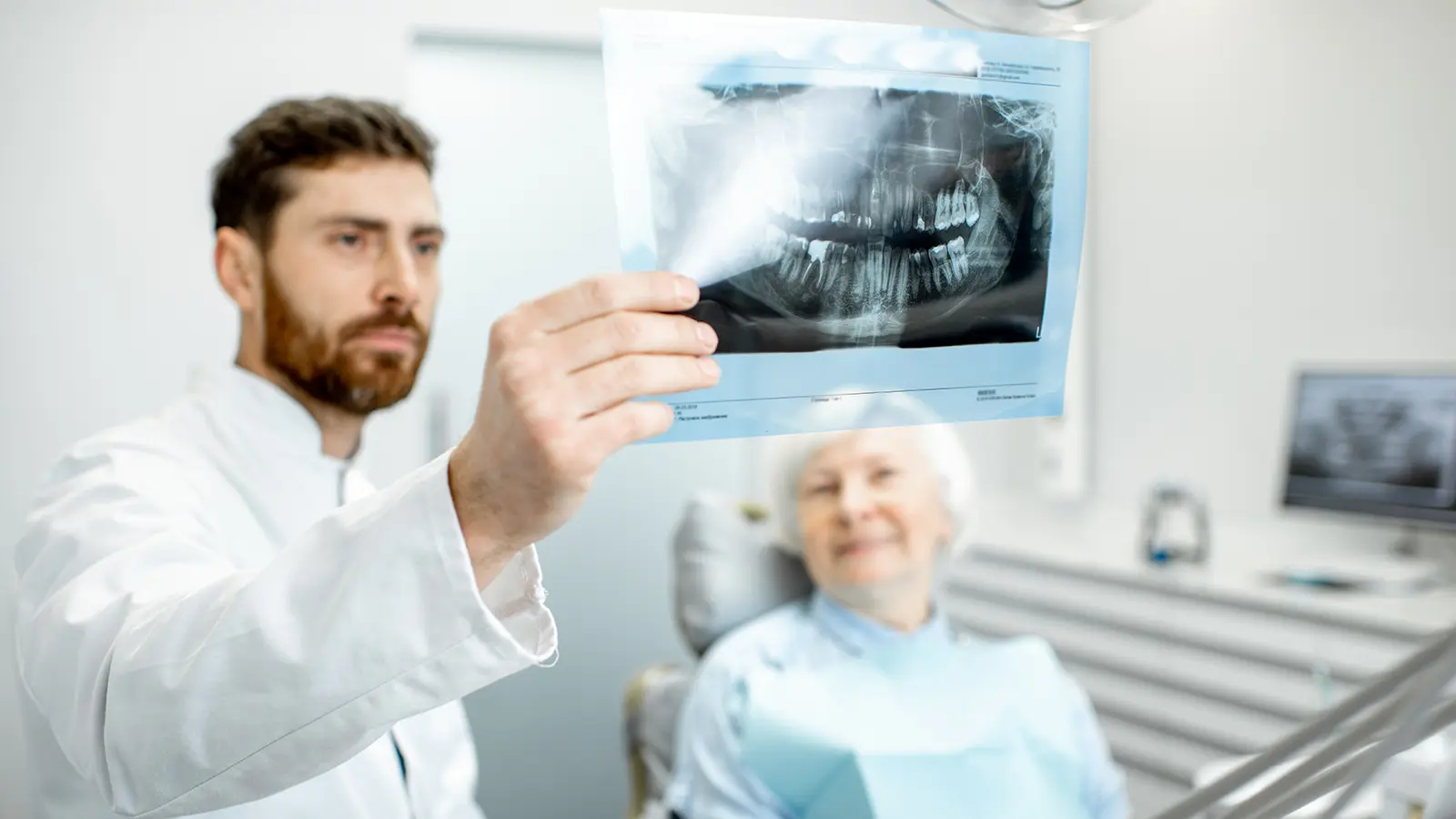
Factors like bone density, gum health, and overall medical stability all affect implant success. Your oral surgeon evaluates these during your consultation using 3D imaging, X-rays, and medical review to plan your care safely and precisely.
Insufficient Bone Density or Volume
You need enough strong bone to hold the implant firmly in place. When teeth are missing for a long time, the jawbone naturally shrinks in a process called bone resorption.
Common causes of bone loss include:
- Long-term tooth loss without replacement
- Gum disease that damages the bone around teeth
- Injury or trauma to the jaw
Solutions your oral surgeon may recommend:
- Bone grafting: Adds graft material to rebuild bone in the implant site.
- Sinus lift: Restores bone height in the upper jaw for secure implant placement.
- Socket preservation: A bone graft placed immediately after extraction to protect natural bone volume.
Most bone grafts need about three to six months to fully heal before implants can be placed.
Uncontrolled Health Conditions
Certain medical conditions can slow healing or increase the risk of implant failure if not managed properly.
Common examples include:
- Diabetes: High blood sugar levels reduce blood flow and delay tissue repair. Controlled diabetes, however, is not a barrier.
- Autoimmune diseases: Conditions like rheumatoid arthritis may affect healing response.
- Osteoporosis: Weakened bone may require a customized implant approach.
- Cancer treatment: Radiation therapy to the jaw can affect bone health.
How to prepare:
- Work with your physician and oral surgeon to stabilize blood sugar and overall health.
- Adjust medications under supervision if they impact bone metabolism or clotting.
- Schedule implant placement only when your body can support recovery.
Active Gum Disease or Oral Infection
Healthy gums are essential for implant success. Periodontal disease destroys the tissues that support teeth and can also threaten implants if left untreated.
Your surgeon may refer you to a periodontist for:
- Deep cleaning or periodontal treatment to remove infection
- Time for gum tissue to heal before surgery
- Regular checkups to maintain oral hygiene and monitor implant sites
Smoking and Tobacco Use
Smoking restricts blood flow and interferes with the healing process. It also increases the risk of implant failure and bone loss around the implant.
If you smoke:
- Stop or pause for at least two to four weeks before and after surgery. Complete cessation is the best approach.
- Avoid nicotine replacement products that can still constrict blood vessels.
- Ask your oral surgeon for strategies to support quitting before implant treatment.
Even temporary cessation greatly improves healing and long-term implant stability.
Certain Medications
Some medications can affect bone or soft tissue healing after surgery.
Examples include:
- Bisphosphonates (for osteoporosis) can alter bone metabolism.
- Steroids and immunosuppressants may slow healing or increase infection risk.
- Blood thinners can affect bleeding during and after surgery.
Before surgery:
- Provide a complete list of your prescriptions and supplements.
- Never stop medication without consulting your doctor and oral surgeon.
- Your surgical plan may include timing adjustments or coordination with your physician to ensure safety.
How to Improve Your Candidacy for Dental Implants
When you partner with Legacy Surgery, your treatment plan is tailored to support a safe and predictable implant outcome. Dr. Kesecker and his team focus on identifying and correcting any factors that could affect healing before surgery begins.
- Maintain excellent oral hygiene: Brush, floss, and schedule regular cleanings to keep your gums healthy.
- Manage health conditions: Work with your physician to keep diabetes, heart disease, or autoimmune issues under control.
- Quit smoking: Even a short break before and after surgery greatly supports healing.
- Address bone or gum deficiencies: Procedures like bone grafting or periodontal therapy may be needed to strengthen your foundation for implants.
- Attend all evaluations: Regular check-ins allow your surgeon to track healing progress and plan your implant placement at the right time.
Every step is designed to help your mouth reach the ideal condition for long-term implant success.
Schedule Your Dental Implant Consultation in Staunton, VA
At Legacy Surgery, every implant plan begins with a detailed evaluation. Dr. Kesecker uses advanced imaging and a full medical review to confirm that your mouth and body are ready for surgery. If any issues need attention first, our team will outline the steps to get you there safely.
To book a consultation at our oral surgery office in Staunton, call (540) 213-8750 or visit us at 110 Mactanly Pl C, Staunton, VA.
📍Other location
Legacy Surgery in Harrisonburg, VA
(540) 437-1230
2071 Pro Pointe Lane, Harrisonburg, VA
FAQs
Should I get an implant after tooth extraction?
If the bone and gum tissue are healthy, an implant can sometimes be placed the same day as the extraction. When infection or bone loss is present, your surgeon may recommend a brief healing period or a bone graft first. This ensures the implant has the strongest possible foundation for long-term success.
When is it too late for dental implants?
There is almost never a time when it is truly too late for dental implants. Even if you have gone years without teeth or are an older adult, implants can still succeed with healthy gums and adequate bone support. Age is not a limiting factor, your oral health and bone structure matter far more than your birth year.
Where can I get dental implants near me?
You can receive dental implants at Legacy Surgery in both Harrisonburg and Staunton, VA. Our board-certified oral surgeon uses guided technology and 3D imaging for precise, predictable outcomes. Whether you need a single implant or a full mouth solution like All-on-4, we provide advanced surgical care for lasting, confident results.