
Reviewed By Dr. Jeffery Kesecker, DDS
Reading Time: 3 minutes
Sedation dentistry is a safe and effective way to ensure comfort during oral surgery and other dental procedures. Still, many people are unsure what it involves or how it works. This article separates fact from fiction, providing a clear look at what to expect before, during, and after sedation.
Legacy Surgery offers sedation dentistry in Staunton and Harrisonburg, VA.
Table of Contents
What is Sedation Dentistry?
Sedation dentistry uses controlled medication to help patients relax during dental procedures. It does not always mean “going to sleep.” Different levels of sedation are used depending on your comfort level, the complexity of the procedure, and your medical history.
The main types include:
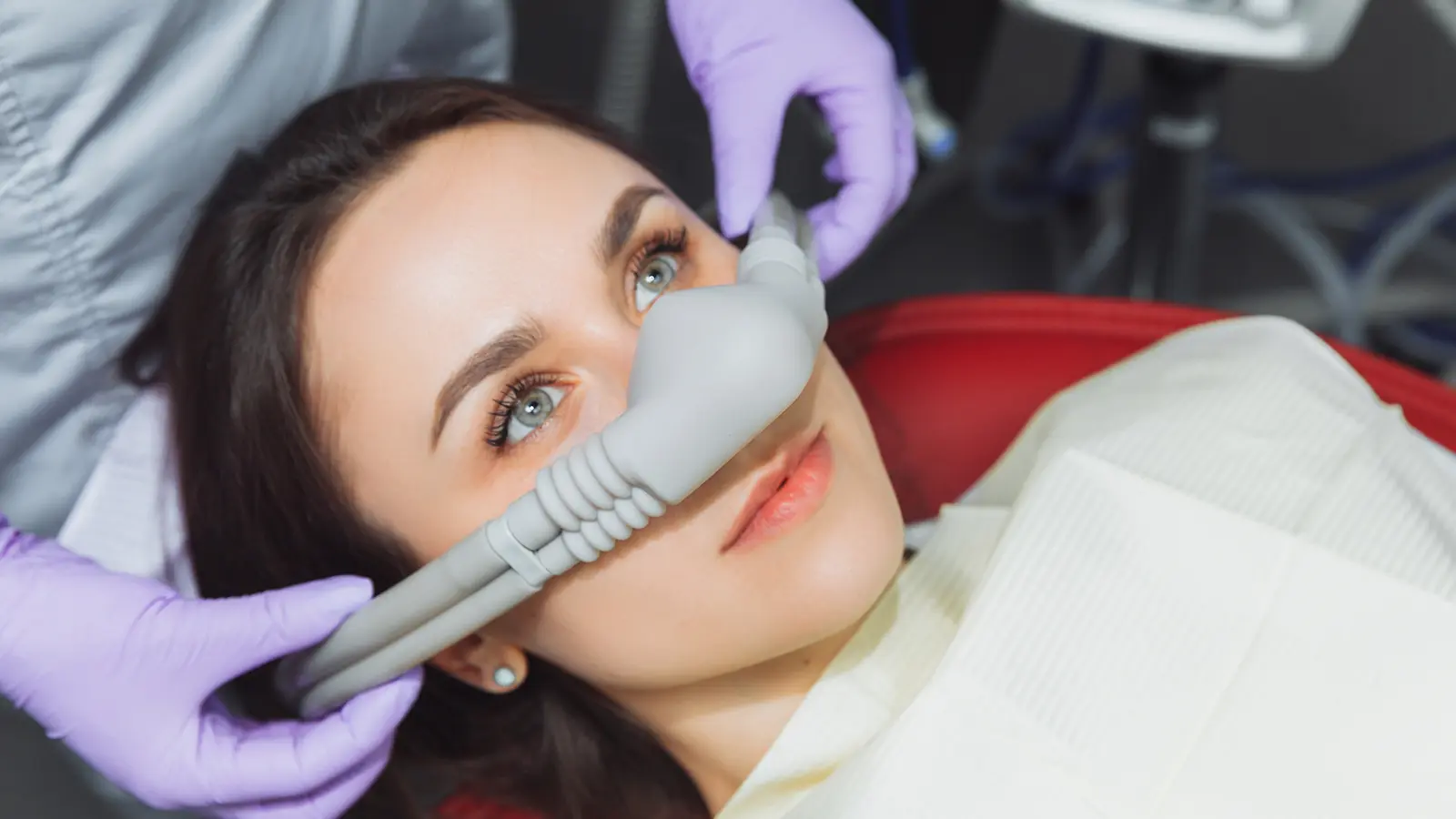
- Minimal sedation (anxiolysis): You are awake but calm, often achieved through nitrous oxide (laughing gas).
- Moderate sedation (conscious sedation): You remain responsive but may not remember much of the procedure.
- Deep sedation: You are on the edge of sleep and unlikely to recall the procedure.
- General anesthesia: You are completely unconscious and under close medical supervision.
Each option is tailored to your needs for maximum safety and comfort.
Common Myths About Sedation Dentistry
Sedation dentistry is often misunderstood, leading to hesitation or confusion about what to expect. The truth is that sedation is safe, controlled, and tailored to each patient’s comfort level. Below are some of the most common myths explained.
Myth #1: Sedation Knocks You Out Completely
Many people assume sedation means full unconsciousness. That is not true for most dental treatments. Only general anesthesia puts you fully asleep, and it is typically reserved for complex oral surgeries. For most patients, sedation simply helps them stay calm, relaxed, and less aware of sensations or sounds during treatment. You can still respond to your dentist’s instructions and breathe independently.
Myth #2: Sedation Dentistry Is Only for Major Surgery
Sedation is not just for wisdom tooth removal or jaw surgery. It is also helpful for routine procedures like fillings, extractions, or implants, especially if you have dental anxiety or a sensitive gag reflex.
Patients who avoid care due to fear often benefit the most. Sedation helps you receive the dental treatment you need in fewer, stress-free appointments.
Myth #3: Sedation Dentistry Is Unsafe
Sedation dentistry follows strict safety standards, and every patient is carefully monitored according to the level of sedation used. Before treatment, your medical history and medications are reviewed to ensure the safest plan for your care.
Oral and maxillofacial surgeons complete extensive anesthesia training and must pass a state board evaluation to administer general anesthesia in the office. Dr. Kesecker has completed this process and is a licensed state examiner who maintains ongoing anesthesia-related education to uphold his certification.
Myth #4: You Will Feel Groggy for Days
Recovery depends on the type of sedation. With nitrous oxide, effects wear off within minutes after treatment. Oral or IV sedation may cause mild drowsiness for a few hours, but most patients return to normal activities the next day.
You will always receive clear post-operative instructions and support to ensure a smooth, comfortable recovery.
Myth #5: Sedation Is Only for Adults
Children can also safely receive dental sedation when needed. Pediatric sedation follows specialized guidelines to manage anxiety and ensure a positive experience. It helps young patients feel calm, reducing the risk of fear in future visits.
How Sedation Dentistry Builds Confidence
Feeling relaxed during treatment can make all the difference in maintaining your oral health. Sedation helps patients overcome common challenges that might otherwise delay or prevent care, including:
- Dental anxiety
- Sensitive teeth or gums
- Strong gag reflex
- Difficulty getting numb
- Lengthy or complex procedures
By keeping you calm and comfortable, sedation allows your oral surgeon to work efficiently and helps you recover with less stress.
Sedation Dentist in Staunton, VA
If you have been avoiding dental care due to fear or anxiety, Legacy Surgery can help. Our oral surgeon, Dr. Jeffery Kesecker, DDS, offers personalized sedation options designed to keep you relaxed through every procedure.
To book a consultation at our oral surgery office in Staunton, call (540) 213-8750 or visit us at 110 Mactanly Pl C, Staunton, VA.
📍Other location
Legacy Surgery in Harrisonburg, VA
(540) 437-1230
2071 Pro Pointe Lane, Harrisonburg, VA
FAQs
What drug is used for IV sedation in dentistry?
IV sedation commonly uses medications such as midazolam or propofol. These drugs help you feel deeply relaxed and may cause partial or full memory loss of the procedure, allowing a calm and stress-free experience.
What not to do after dental sedation?
After dental sedation, avoid driving, operating heavy machinery, making major decisions, or consuming alcohol for at least 24 hours. You should also skip strenuous physical activity and follow your surgeon’s post-sedation instructions carefully for a safe recovery.
Where can I find a sedation dentist near me?
Legacy Surgery offers sedation dentistry in both Harrisonburg and Staunton, VA. Our team ensures a comfortable, stress-free experience for every patient seeking quality dental treatment with safe and effective sedation options.